A loose faucet, a clogged gutter, or a smoke detector with a dead battery rarely feels urgent – until it creates a bigger interruption. A practical home maintenance checklist for homeowners gives you a simple way to catch small concerns early, protect your investment, and avoid spending every weekend wondering what needs attention next.
For Dallas-Fort Worth homeowners, maintenance also needs to account for intense summer heat, sudden storms, hard water, and quick temperature swings. You do not need to inspect every part of the house every month. The goal is to build a repeatable routine, keep notes on what you find, and call the right professional when a task is outside your comfort level or requires specialized work.
Start With a Simple Home Maintenance System
The best checklist is one you will actually use. Keep it in a notes app, calendar, or printed folder with dates, photos, filter sizes, paint colors, and appliance information. When something changes – a slow drain, a new stain on drywall, a rattling ceiling fan – make a note before it becomes easy to forget.
It also helps to separate tasks by season rather than trying to handle everything at once. Some items only need a quick visual check, while others require replacement, cleaning, or a service appointment. If you are a first-time homeowner, start with the basics. Consistency matters more than completing a perfect list in the first month.
Monthly Tasks That Prevent Everyday Problems
Monthly maintenance should be quick. Set aside 20 to 30 minutes to walk through the house and look for changes that could point to a developing problem.
Check HVAC filters and replace them based on the filter type, household conditions, and manufacturer guidance. Homes with pets, allergies, or frequent HVAC use may need more frequent changes. A dirty filter can restrict airflow and make the system work harder during a Texas summer.
Test smoke and carbon monoxide detectors using their test buttons. Replace batteries as needed, and do not ignore chirping alarms. Also take a quick look below sinks, around toilets, and near the water heater for moisture, corrosion, or signs of a slow leak.
Walk through commonly used rooms and check for loose outlet covers, flickering lights, damaged caulk, and small drywall dings. A minor repair is usually easier to schedule and complete before it becomes part of a longer list of deferred projects.
Seasonal Home Maintenance Checklist for Homeowners
Seasonal checks give you a chance to focus on the parts of the home affected by changing weather. Put these on your calendar at the start of each season so they do not get pushed aside.
Spring: Check for Winter and Storm Damage
Spring is a good time to inspect the exterior after colder weather and early-season storms. Walk around the home after a dry day and look for loose gutters, visible debris, peeling caulk, damaged screens, or areas where water may be collecting near the foundation.
Focus on these spring tasks:
- Remove leaves and debris from gutters and downspouts so water can move away from the home.
- Check exterior faucets for drips, loose handles, and obvious leaks.
- Inspect window and door weatherstripping for gaps or deterioration.
- Test ceiling fans and make sure they operate smoothly without wobbling or unusual noise.
- Look over fences, gates, and exterior trim for loose pieces or water damage.
Gutter cleaning deserves attention before heavy rain arrives. Overflowing gutters can send water where it does not belong, including along the foundation or behind exterior surfaces. If the roofline is high, access is difficult, or you are not comfortable using a ladder, it is better to arrange professional help than take an unnecessary risk.
Summer: Prepare for Heat and Heavy Use
North Texas summers put HVAC systems, ceiling fans, plumbing fixtures, and outdoor drainage to the test. Keep filters on schedule and pay attention to rooms that feel noticeably warmer than others. A ceiling fan should improve comfort, but it should not shake, scrape, or require constant adjustment.
Check under sinks and around faucets for leaks, especially if you notice a higher water bill or damp cabinet material. Hard water can also leave buildup on aerators and fixtures. Cleaning visible buildup early can help keep water flowing properly, although persistent dripping or damaged fixtures may call for replacement.
Summer is also a good time to review outdoor lighting and make sure exterior fixtures are securely mounted and working. After storms, inspect gutters again for fresh debris and confirm downspouts are directing water away from the house.
Fall: Get the House Ready for Cooler Weather
Fall is the right time to handle small issues before holiday schedules and cooler weather make them easier to postpone. Test smoke and carbon monoxide detectors again, replace burned-out bulbs, and look for gaps around exterior doors and windows.
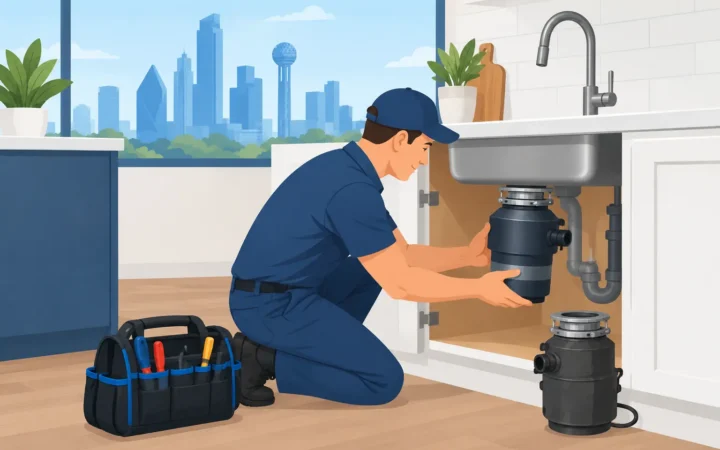
Pay close attention to your garbage disposal and kitchen faucet. If the disposal hums but does not run, leaks below the sink, or has ongoing performance issues, avoid forcing it. Turn off power before checking anything beneath the sink, and arrange a replacement when needed rather than risking damage or injury.
This is also a useful season for clearing gutters, especially in neighborhoods with mature trees. Clean gutters before leaves and seasonal rain create a blockage. If you have a list of small indoor projects – a new light fixture, a TV mount, a damaged drywall area, or a faucet replacement – fall can be an efficient time to have several completed during one planned visit.
Winter: Watch for Water and Indoor Safety Concerns
Winter weather in DFW can be unpredictable. Before a hard freeze, disconnect garden hoses and follow local guidance for protecting exposed exterior plumbing. Inside, keep an eye out for new leaks, stains, or unusual drafts around doors and windows.
Use the shorter days as a reminder to check indoor lighting, secure loose handrails or hardware, and make sure detector batteries are still working. Review the condition of bathrooms and kitchens, where small plumbing leaks can hide in cabinets or behind stored items.
After a freeze or severe storm, inspect accessible areas of the home carefully. If you see active water intrusion, electrical concerns, or other conditions that could create immediate damage or danger, contact the appropriate qualified professional promptly.
Know Which Tasks Are Good to Handle Yourself
Homeowners can safely manage many routine tasks, including changing accessible air filters, testing alarms, cleaning visible fixture buildup, and noting signs of wear. The key word is safely. Do not turn a simple checklist item into a risky ladder project, an electrical repair, or a plumbing job that exceeds your experience.
Professional help makes sense when a fixture needs to be installed or replaced, a TV must be mounted securely, a ceiling fan is wobbling, a faucet is leaking, a garbage disposal has failed, or drywall damage needs a clean repair. These are common projects, but correct installation, testing, and cleanup make a real difference in how the finished work performs.
Direct Home Pros helps homeowners across the DFW area handle many of these practical maintenance and minor repair needs with clear expectations, straightforward pricing, and respect for the home. Keeping a running list means you can schedule projects before they become frustrating last-minute problems.
Keep Records, Not Just Reminders
A checklist is more useful when it becomes a home history. Save receipts, installation dates, photos of repairs, and notes about recurring concerns. This record can help you track when filters were changed, compare a new stain to an old one, and explain an issue clearly if you need service.
Photos are especially useful for exterior conditions, under-sink leaks, and drywall damage. Take a picture when you first notice the problem, then another after it has been repaired. You will have a better reference point the next time you inspect that area.
A well-maintained home is not one where nothing ever needs attention. It is one where homeowners notice changes early, handle the manageable tasks on schedule, and get dependable help for the projects that deserve a professional touch.