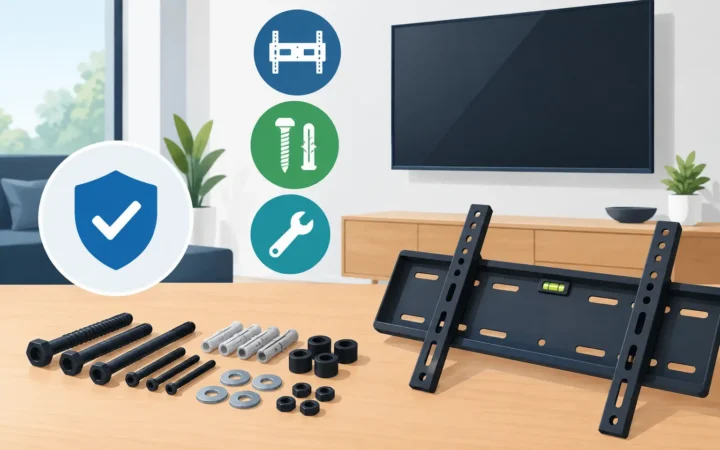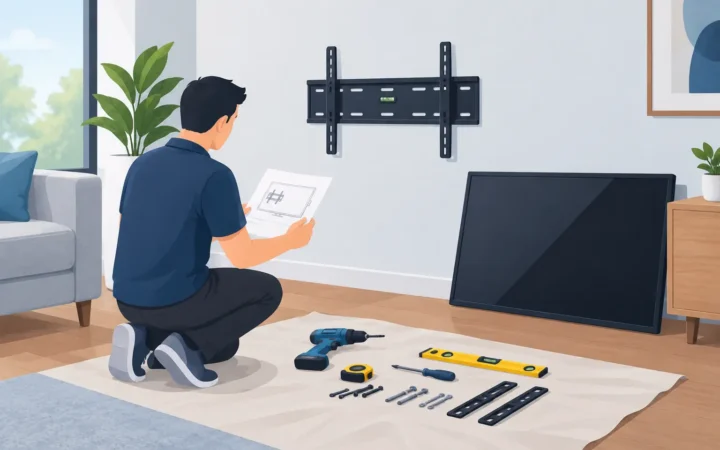
A ceiling fan in the box, a TV waiting to be mounted, a dripping faucet, and a small drywall dent can look like four separate problems. For many homeowners, they become one growing weekend list that never gets finished. DFW custom project planning gives that list a practical starting point: identify what needs to be done, confirm what is needed for each task, and schedule the right work with clear expectations.
For homes in Fort Worth, Hurst, Euless, Bedford, Grapevine, and surrounding communities, the goal is not to turn a few household tasks into a large renovation. It is to make ordinary home projects easier to organize and more dependable to complete. A good plan helps you avoid repeat trips to the store, unclear pricing, and the frustration of calling a different provider for every small need.
What DFW Custom Project Planning Means
Custom project planning is useful when your home has a project that does not fit neatly into one standard appointment, or when you have several compatible tasks to address at the same time. It begins with the actual work, not a vague request for someone to “take a look.” The clearer the scope, the easier it is to provide a realistic estimate, prepare for the appointment, and complete the work correctly.
For example, you may have already chosen a new faucet and want the existing one replaced. At the same appointment, you may need a television mounted in another room and minor drywall damage repaired. Those are distinct jobs, but planning them together can be more convenient than starting from scratch three times.
That does not mean every project should be bundled. A simple, published-price service may be the best choice when the work is straightforward and the needed equipment is ready. Custom planning is most helpful when the scope varies, several projects need coordination, or a select additional residential project needs to be reviewed for a quote.
Start With a Home Project Inventory
Before requesting service, walk through your home with your phone or a notepad. Write down the projects that are actually ready to move forward, not every future idea. This keeps the request focused and makes it easier to decide what belongs in the same visit.
Include the room, the item involved, and the outcome you want. “Replace kitchen faucet” is more useful than “kitchen plumbing issue.” “Mount 65-inch TV above media console” gives more direction than “need help with TV.” If there is visible damage, a tight work area, a high ceiling, or an existing fixture that needs to be removed, add that detail as well.
Photos can also clarify a request. A picture of the existing light fixture, faucet, disposal, wall location, or drywall damage helps establish the visible conditions before an estimate is prepared. It does not replace an on-site review when one is needed, but it reduces guesswork.
Separate ready-now tasks from future ideas
Homeowners often save money and time by grouping a few ready-now projects, but only when the items are available and decisions have been made. If you are still choosing a ceiling fan or deciding where a television should go, it may be better to finalize those details first.
A project is usually ready to schedule when you know the product being installed or replaced, its location, and whether you have the required customer-supplied equipment. If a mounting bracket, faucet, disposal, fixture, or similar item is needed, have it on hand unless the service details state otherwise. This prevents an appointment from becoming a pause while someone searches for missing parts.
Define the Scope Before You Request a Quote
Clear scope protects the homeowner as much as the service provider. It gives you a better sense of what is included, what may require additional approval, and whether the work falls within a common home-service appointment.
When submitting a custom project request, describe the work in plain language and include the relevant details: the number of items, the rooms involved, the type of item being installed or replaced, and any known access concerns. If you are requesting a TV mounting service, share the television size, the wall location, and whether you have a compatible mount. For a fixture replacement, note whether the new fixture is already purchased and whether the ceiling height or access is unusual.
It also helps to distinguish replacement from repair. Replacing a garbage disposal or faucet with a customer-supplied unit is different from diagnosing an unknown plumbing or electrical problem. If the underlying condition is uncertain, the proper next step may depend on what is found. Being upfront about that uncertainty allows the company to set better expectations rather than promising a result before the scope is known.
Plan Around the Appointment, Not Just the Project
The work itself may be small, but preparation affects the whole appointment. Clear access helps protect your home and allows the technician to focus on the task. Move fragile items away from the work area, clear countertops or furniture when possible, and make sure an adult who can approve the work is available if needed.
For wall-mounted televisions, consider where cords, outlets, and connected devices will be located before the appointment. For faucet or disposal replacements, remove stored items from the cabinet below the sink. For gutter cleaning, make sure gates and exterior access points are available. These small steps reduce delays without asking homeowners to do technical work themselves.
Timing matters, too. A packed Saturday may be your only available window, but a weekday appointment can sometimes be easier to coordinate around school, pets, parking, and household routines. The best schedule is the one that gives the project enough attention without adding stress to your day.
Why Transparent Pricing and Approval Matter
Small home projects should not come with vague expectations. A published starting price can be helpful for standard services, while a digital estimate is especially valuable for work that needs a custom scope. You should be able to review the proposed work and approve it before the appointment moves forward.
This process is not about creating extra steps. It is about avoiding the common frustrations homeowners face: unanswered questions, surprise charges, or a technician arriving without a shared understanding of the job. A clear estimate gives both sides a record of the planned work.
There is still room for real-world conditions. Hidden damage, incompatible customer-supplied parts, or conditions that could not be seen in photos may affect what can be completed. The right approach is straightforward communication and approval before any change in scope. No homeowner should feel pressured into unrelated work simply because a service visit is already underway.
Choose a Provider You Can Call Again
The value of custom planning is not only getting one list completed. It is finding a dependable local company that can help with common household needs over time. Direct Home Pros is built around that kind of relationship, with convenient online scheduling, digital estimates and approvals, careful worksite cleanup, and project testing when the work is complete.
For a homeowner, that consistency matters. You should not need to explain your expectations from the beginning every time a ceiling fan needs installation, a light fixture needs replacement, a faucet wears out, or a maintenance list starts building up again. A company that respects your home, communicates clearly, and avoids unnecessary upselling makes home care feel more manageable.
Keep a Running List Between Visits
The easiest way to plan future work is to keep one running home list rather than relying on memory. Add a note when a smoke detector battery alert appears, a small drywall blemish happens, or gutters need attention after a season of leaves. Include the date and a quick photo when it helps.
Some tasks need timely attention, while others can wait until you have a few items ready. The difference is practical judgment. A dripping connection under a sink should be addressed sooner than a cosmetic wall scuff. A loose or damaged fixture should not be ignored. For routine upkeep, a recurring HomeCare Plan can give homeowners a scheduled way to stay ahead of common maintenance checks throughout the year.
A well-planned home project should leave you with fewer loose ends, not a new set of questions. Start with the work that is ready, share clear details, and choose an appointment process that gives you confidence before anyone arrives at your door.