A homecare plan comparison should start with one practical question: what parts of your home are easiest to overlook until they become a bigger problem? For many Dallas-Fort Worth homeowners, the answer is not one major repair. It is a collection of small maintenance items – an overdue HVAC filter, a detector with a weak battery, a slow leak under a sink, or gutters that have not been checked since the last storm season.
A recurring home-maintenance plan gives those routine tasks a place on the calendar. The right plan is not necessarily the one with the most visits. It is the one that matches your home, your schedule, and the amount of oversight you want throughout the year.
What a HomeCare Plan Is Designed to Do
HomeCare Plans are built around preventative visits. Rather than waiting for a household concern to become urgent, a professional visits on a recurring schedule to look for common maintenance needs and document what was found.
Depending on the plan, those visits may include checking HVAC filters, smoke and carbon monoxide detectors, visible plumbing leaks, exterior conditions, and other routine concerns that can be missed in daily life. Photo documentation gives homeowners a clear record of the visit, which is especially helpful when you are at work, traveling, or simply want a better picture of how the home is doing.
This is different from a large repair contract or a promise that every issue will be fixed at no additional cost. A maintenance plan is primarily about consistent attention, early identification, and a straightforward path for handling appropriate home projects when they arise. That distinction matters when comparing options.
Compare Plans by Visit Frequency First
The most meaningful difference between homecare plans is usually the number of visits included each year. A plan with fewer visits may work well for a newer, lower-maintenance home and an owner who already keeps a close eye on routine tasks. More frequent visits can make sense when life is busy, the home is larger, or seasonal changes tend to create a longer maintenance list.
Lower-frequency visits
A lower-frequency schedule is often a practical fit for homeowners who are comfortable handling basic checks between appointments. It provides a professional set of eyes at key points during the year without putting maintenance on an overly frequent schedule.
This option can work especially well for a recently built home, a smaller household, or an owner who changes filters, tests detectors, and walks the exterior regularly but appreciates a reliable backup. It is also a sensible starting point if you want to establish a maintenance routine without committing to more visits than you will use.
The trade-off is simple: more time passes between check-ins. A minor concern can still be spotted, but it may sit unnoticed longer than it would under a more frequent schedule.
More frequent visits
A plan with more frequent visits is often better for homeowners who want maintenance handled more consistently throughout the year. It can be a strong fit for households with demanding work schedules, families juggling multiple responsibilities, or homeowners who travel often.
More regular visits also help account for changing conditions. North Texas heat places real demands on HVAC systems. Heavy rain, wind, and falling leaves can affect gutters and exterior areas. Plumbing drips can start small and remain hidden inside a cabinet until someone looks closely.
The advantage is not that frequent visits eliminate every home issue. No plan can do that. The value is that routine checks happen on a dependable schedule, making it less likely that basic maintenance falls to the bottom of an already full to-do list.
Look Closely at What Is Checked During Each Visit
When comparing plans, do not focus only on the annual visit count. Review the checklists and determine whether they cover the areas you are most likely to neglect.
For example, HVAC filter checks may be a high priority in homes with pets, allergies, or a system that runs heavily through long Texas summers. Smoke and carbon monoxide detector checks are a sensible priority in every home, but they can be particularly valuable for busy families or homeowners with older devices. Visible plumbing checks can help identify signs of drips around sinks, faucets, and accessible connections before water damage becomes more expensive.
Exterior observations are equally useful, though homeowners should understand their scope. A routine exterior check can flag obvious conditions or maintenance concerns. It is not the same as a full inspection by every specialized trade. Clear expectations prevent frustration and make it easier to decide what follow-up, if any, is needed.
Ask yourself whether the plan addresses your actual blind spots. A detailed checklist is useful only when it helps you stay ahead of the parts of homeownership that are easiest to postpone.
Documentation Makes a Real Difference
Photo documentation may sound like a small feature, but it can make a maintenance plan much more useful. It creates a record of visible conditions and completed checks, rather than leaving you with a vague recollection of a quick visit.
This is particularly helpful if more than one person helps manage the household. One spouse may schedule appointments while the other handles future decisions. Photos and clear notes give both people the same information. They can also be useful for homeowners who own a second property, spend part of the year away, or simply prefer to keep home records organized.
When comparing a plan, consider how clearly the provider communicates after each visit. You should know what was checked, what appeared normal, and what may deserve attention. The goal is not to create worry over every small imperfection. It is to give you enough information to make sensible decisions without pressure.
Consider How Repairs and Small Projects Are Handled
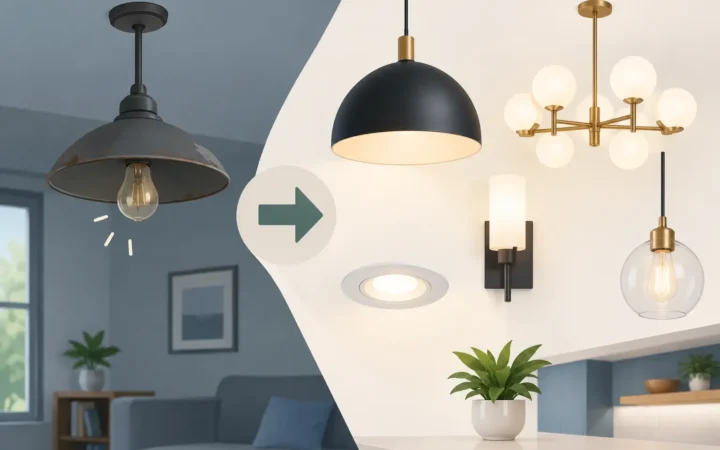
A preventative visit may reveal a project that needs attention, such as a faucet replacement, minor drywall repair, gutter cleaning, a new light fixture, or a garbage disposal replacement. The maintenance plan should make the next step straightforward, but it should not blur the line between routine checks and additional work.
Look for a company that explains the issue clearly, provides an estimate before work begins, and lets you decide whether and when to move forward. Avoid plans that seem designed to turn every visit into a sales opportunity.
Direct Home Pros takes a no-upselling approach, with digital estimates and approvals when a separate project is appropriate. That gives homeowners a practical option for common maintenance and minor home projects without making them feel pressured to add work during a visit.
Match the Plan to Your Home and Lifestyle
The best plan for a first-time homeowner may be different from the best plan for someone who has managed homes for decades. First-time owners often benefit from regular check-ins because they are still learning which routine tasks matter and when to handle them. Established owners may want a plan because they know exactly how quickly maintenance can pile up.
A newer home may need fewer visits, while an older home may benefit from more consistent attention to visible plumbing, detectors, exterior conditions, and other routine items. A household with pets, children, frequent guests, or long work hours may also find greater value in a more regular schedule.
Location and weather patterns matter, too. Homeowners in Hurst, Euless, Bedford, Grapevine, Southlake, Keller, Arlington, Coppell, Irving, Grand Prairie, and Fort Worth deal with the same broad North Texas realities: intense summer heat, stormy weather, and busy calendars. A recurring plan helps put basic maintenance on a schedule before another season passes.
Questions to Ask Before You Choose
Before enrolling, get clear answers about the visit schedule, the routine checks included at your plan level, how findings are documented, and how additional work is quoted. It is also worth asking what happens if a visit identifies something outside the plan’s normal scope.
You should understand whether scheduling is convenient, whether you will receive confirmation before a visit, and whether the provider respects your property through careful work and cleanup. A good plan should reduce the work of managing your home, not add administrative steps or surprise charges.
The right choice is usually the plan that feels realistic. If a lighter schedule means you will still stay on top of everything between visits, it may be enough. If maintenance regularly slips behind because work and family take priority, more frequent professional check-ins can bring real peace of mind.
A well-chosen HomeCare Plan is not about finding more things to worry about. It is about giving the everyday needs of your home a dependable place on the calendar, so small details get the attention they deserve before they become bigger interruptions.