A small hole in the hallway wall has a way of becoming the first thing you notice every time you walk past it. The same goes for nail pops above a stairwell, dents from moving furniture, and old anchors left behind after a TV or shelf comes down. Minor drywall repair is a practical way to restore those everyday blemishes before they make an otherwise well-kept room feel unfinished.
For most homeowners, the question is not whether a small wall repair is possible. It is whether the repair will look smooth after it dries, matches the surrounding texture, and holds up over time. That is where careful preparation matters more than simply covering the damage with spackle.
When Minor Drywall Repair Is the Right Fit
Minor repairs are generally appropriate when damage is contained to a small area and the drywall itself remains stable. Common examples include small nail and screw holes, picture-hanging anchors, shallow dents, minor scuffs, nail pops, and small holes caused by a door handle or an accidental bump.
A clean repair can also make sense after removing wall-mounted items. If you have relocated a television, changed shelving, or updated a room, the old fastener holes can be patched so the wall is ready for its next use. Several small holes in one room may seem insignificant individually, but repairing them together often makes the space look noticeably more finished.
Some wall damage needs a closer look before it is treated as a simple patch. A crack that continues to widen, stains around a damaged area, soft drywall, or repeated nail pops can point to moisture, movement, or another underlying condition. Covering the visible damage without addressing its cause may only provide a temporary cosmetic fix. In those situations, homeowners may need further evaluation from the appropriate specialist before repairing the wall surface.
What a Clean Drywall Patch Involves
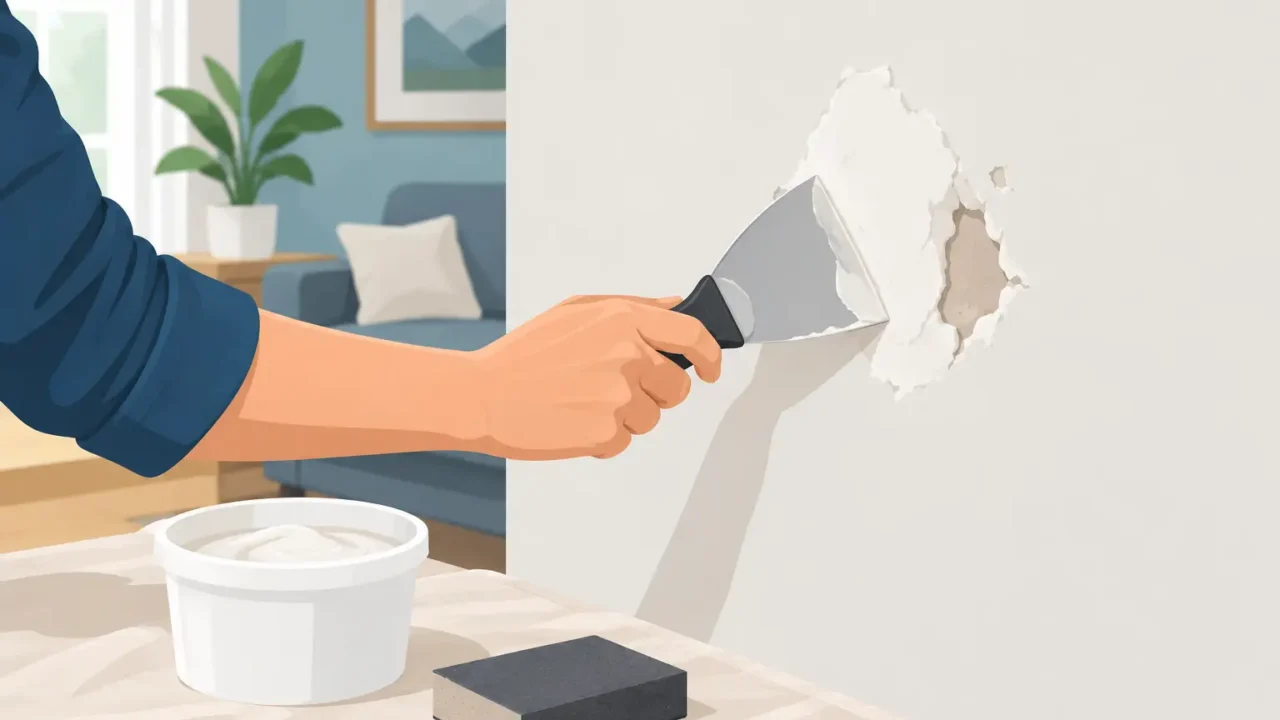
Good drywall repair is usually a series of small, deliberate steps. The damaged material must be cleaned up first. Loose paper, crumbling compound, and unstable edges can prevent a patch from bonding properly and may leave an uneven finish.
For small holes and dents, the repair area is filled with appropriate patching compound, allowed to dry, and built up in thin layers as needed. Thin layers take patience, but they are less likely to shrink, crack, or leave a noticeable hump on the wall. Once dry, the area is sanded carefully so it blends with the surrounding surface rather than looking like a raised circle under the paint.
Larger minor holes may need backing or a small drywall patch before compound is applied. The goal is not just to hide the opening. It is to create a stable surface that can be finished flat and painted.
Texture is often the part homeowners underestimate. A smooth wall is relatively straightforward to blend, while orange peel, knockdown, and other textured finishes take more attention. Even a well-filled patch can stand out if the surrounding texture is not considered. The result depends on the wall finish, the lighting in the room, and how closely the new texture matches the old.
Why Paint Matching Can Be the Deciding Factor
A repaired wall may be smooth and structurally sound yet still be visible because the paint does not match. Paint changes over time from sunlight, cleaning, normal wear, and previous touch-ups. The same paint color name is not always enough to guarantee an invisible repair.
If you have leftover paint from the original project, label information from the can, or a known color and sheen, save it for the repair. Flat, eggshell, satin, and semi-gloss finishes reflect light differently, so matching the sheen matters as much as matching the color.
Sometimes a careful touch-up blends well. Other times, especially on a high-traffic wall or a wall with older paint, painting the full wall from corner to corner produces a more consistent appearance. That decision depends on the size and location of the repair, the condition of the existing paint, and how particular you are about a perfect visual match.
DIY or Professional Help? Consider the Finish You Expect
Many homeowners can fill a few tiny nail holes themselves. If you have matching paint, a small amount of damage, and patience for dry time and light sanding, it may be a reasonable weekend task.
The trade-off is that drywall finishing is easy to overwork. Applying too much compound creates more sanding. Sanding too aggressively can damage the drywall paper around the repair. Rushing paint onto a patch before it is fully dry can reveal edges or cause the area to flash differently in certain light.
Professional help is often worthwhile when the damage is more noticeable, when there are several repairs to address, or when you want the room returned to a clean, presentable condition without buying materials and setting aside multiple rounds of drying time. It can also be convenient when wall repairs are part of a larger list, such as replacing a light fixture, mounting a television, or handling other small home projects during the same visit.
For homeowners who prefer a straightforward process, Direct Home Pros provides minor drywall repair for common household wall damage. The focus is on clear expectations, careful work, cleanup, and a finished area that is ready for the next step in your home.
How to Prepare for a Minor Drywall Repair Visit
A little preparation helps the work move efficiently and protects your belongings. Clear furniture, artwork, and fragile decor away from the repair area when possible. Drywall sanding can create fine dust, even when the repair is small, so giving the work area some room is helpful.
If paint touch-up is part of your plan, set aside any leftover paint you have, along with information about the color and sheen. If you do not have it, a photo of the wall and nearby paint can labels may still help you decide what is needed before the appointment.
It is also helpful to point out every area you want repaired at the start of the visit. Homeowners often remember one more nail pop in a bedroom or an old anchor hole near a window after the work begins. Reviewing the full list early makes the scope clearer and avoids surprises.
Minor Drywall Repair Before a Move, Sale, or Refresh
Wall repairs are especially useful before putting a home on the market, welcoming new tenants, hosting family, or simply refreshing a room. Small imperfections can draw attention because they interrupt a clean wall surface. Addressing them is one of the simpler ways to make a space feel cared for without taking on a large renovation.
For first-time homeowners, minor drywall repair can also be part of settling into the house. Furniture gets rearranged, pictures go up, and rooms begin to reflect how your household actually lives. Repairing old holes and damage as plans change keeps those updates from accumulating into a bigger visual distraction later.
A Small Repair Is Still Worth Doing Well
Drywall damage may be minor, but a rushed patch can remain visible for years. The best time to address it is often when the issue is still small, the source of the damage is understood, and you can make a clear plan for the finish and paint.
Whether you handle a tiny touch-up yourself or schedule help for a more polished result, treat the repair as part of caring for the home you use every day. A smooth wall, clean work area, and clear expectations can make a small project feel refreshingly simple.