A new faucet can make a kitchen or bathroom feel cleaner, more functional, and more finished in a single appointment. But faucet installation is not simply a matter of setting a new fixture in place. The work happens in a tight cabinet space, around existing water connections, and often with hardware that has been in place for years. A clear plan helps prevent the small surprises that can turn a straightforward replacement into a frustrating afternoon.
For homeowners in the Dallas-Fort Worth area, the best approach is usually to choose the faucet you want, confirm it will work with your sink, and have the replacement completed carefully and tested before the job is considered finished. That keeps the project simple while giving you control over the style, finish, and features you bring into your home.
Start With the Sink, Not the Faucet Style
It is easy to shop based on looks alone. A matte black pull-down kitchen faucet or a widespread bathroom faucet may fit your style perfectly, but it still needs to match the sink or countertop configuration already in place.
Before purchasing a new fixture, look underneath the sink and across the countertop. Count the number of mounting holes. Many kitchen sinks have one, two, three, or four holes, while bathroom sinks commonly have one hole, three holes, or widespread openings. Some faucets include a deck plate to cover unused holes, but that is not always the case.
Also consider the space behind the faucet. A tall kitchen faucet may look great, yet a window ledge, backsplash detail, or low cabinet can limit handle movement or make installation more difficult. In bathrooms, confirm that the spout will reach properly into the sink basin rather than directing water too close to the edge.
If you are replacing a similar faucet with a similar style, compatibility is often more straightforward. Changing from a standard two-handle bathroom faucet to a single-hole model, or from a basic kitchen faucet to one with a separate sprayer, may require extra planning. It depends on the existing sink, countertop, and available openings.
Choose Features That Fit How You Use the Room
The right faucet is not always the most expensive model or the one with the most features. Think about the daily use of the room and select a fixture that solves a real inconvenience.
In a busy kitchen, a pull-down sprayer can make it easier to rinse large pots and clean corners of the sink. A high-arc spout gives more room for filling containers, although it may create more splash in a shallow basin. Single-handle faucets are convenient for quick temperature adjustments, while two-handle faucets offer a more traditional appearance and separate hot and cold controls.
For bathroom sinks, a simple single-handle faucet can be a practical choice for a powder room or guest bath. A widespread faucet may better suit a larger vanity and can make cleaning around the handles easier. Consider the finish as well. Chrome is common and easy to match, while brushed nickel, black, and brass finishes may require more attention to coordinating cabinet hardware, mirrors, and light fixtures.
Touchless and touch-activated faucets offer convenience, especially in kitchens. They can also introduce batteries, sensors, control boxes, or power connections under the sink. Those components need room and should remain accessible for future battery changes or routine checks.
What to Check Before Faucet Installation
A few minutes of preparation can save time on appointment day. The goal is not to diagnose every plumbing detail yourself. It is simply to make sure the work area is ready and any known concerns are shared up front.
Clear out cleaning supplies, trash bins, and stored items from the cabinet below the sink. This gives the installer safe access to the shutoff valves and water lines. If you have noticed dripping, slow shutoff valves, water damage, or corrosion under the sink, mention it when requesting service. Old connections sometimes reveal their condition only when a faucet is being removed, and clear communication helps set proper expectations.
Keep the new faucet, its included hardware, and any accessories together near the work area. Check the box before the appointment when possible. Confirm that the finish, model, and number of handles are what you intended to purchase. It is much easier to resolve a missing part before installation begins than after the old faucet has been removed.
For a kitchen faucet with a soap dispenser, water filter, or accessory sprayer, identify which holes you plan to use. If you are not sure, a quick photo of the sink and new faucet packaging can help clarify the setup before the visit.
What a Professional Faucet Replacement Should Include
A careful faucet replacement is about more than making the new fixture look straight. The faucet must be secured properly, connected correctly, and tested under normal use.
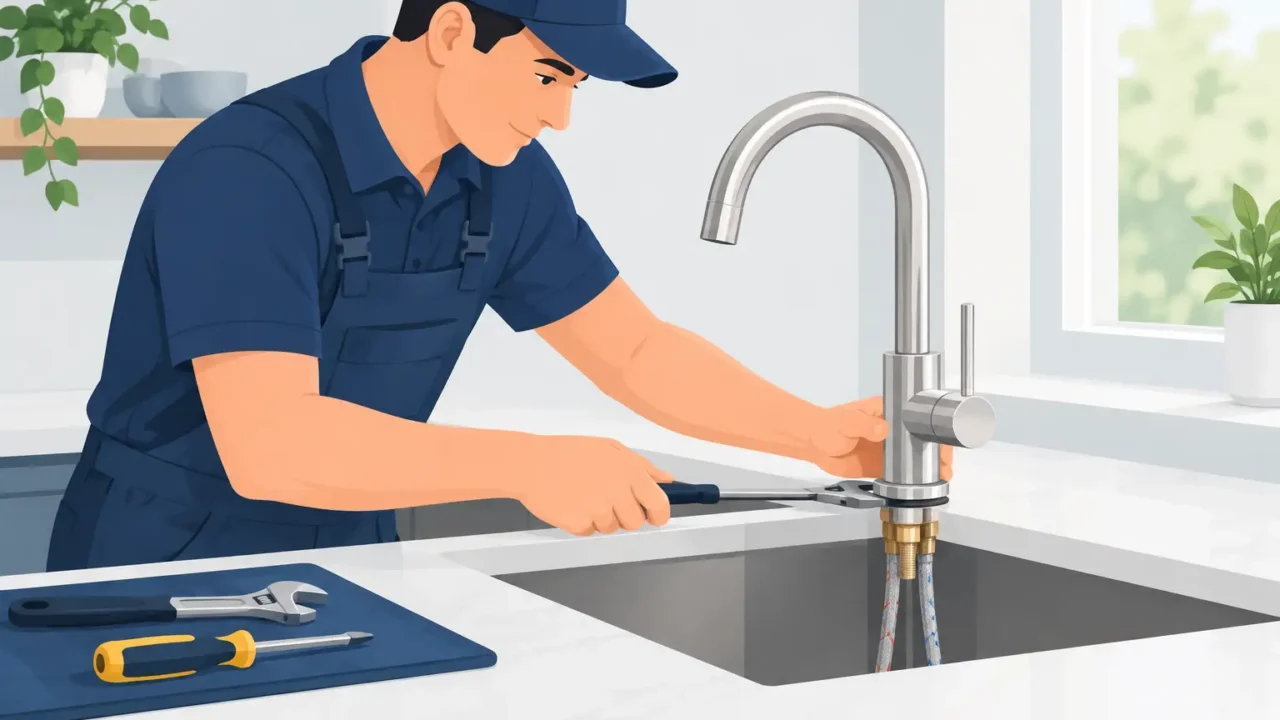
The process generally starts by shutting off the water supply at the sink and protecting the surrounding work area. The existing faucet is disconnected and removed, followed by cleaning around the mounting surface as needed. The new faucet is positioned, secured, and connected to the hot and cold water supplies according to the fixture’s requirements.
Once the water is restored, the fixture should be tested for proper flow, handle operation, spray function if applicable, and leaks at the connections. A kitchen pull-down hose should move freely without catching on stored items or plumbing lines beneath the sink. The final check matters because small leaks can go unnoticed inside a cabinet until they damage shelving or create odors.
A professional appointment should also leave the area orderly. Homeowners should not be left with loose packaging, a cabinet full of tools, or uncertainty about whether the fixture was tested. Direct Home Pros focuses on clear expectations, careful worksite cleanup, and testing after common home installation projects so you know the job has been completed with care.
When a Simple Replacement May Need Another Plan
Most faucet replacements are routine, but not every sink is ready for a direct swap. The condition of the shutoff valves, supply lines, sink mounting surface, and existing hardware can affect what is practical during the appointment.
For example, a valve that will not fully shut off or a heavily corroded connection may prevent a standard replacement from moving forward safely. A faucet may also be difficult to remove if old mounting hardware has seized or if access under the sink is unusually limited. These are not reasons to panic, but they are reasons to avoid assuming every installation will follow the exact same path.
The best service experience is transparent about those conditions. A dependable provider explains what was found, what can be completed within the planned scope, and what next step may be needed if an underlying issue is outside that scope. That is very different from using a minor complication as an excuse for unnecessary upselling.
Protect Your New Faucet After Installation
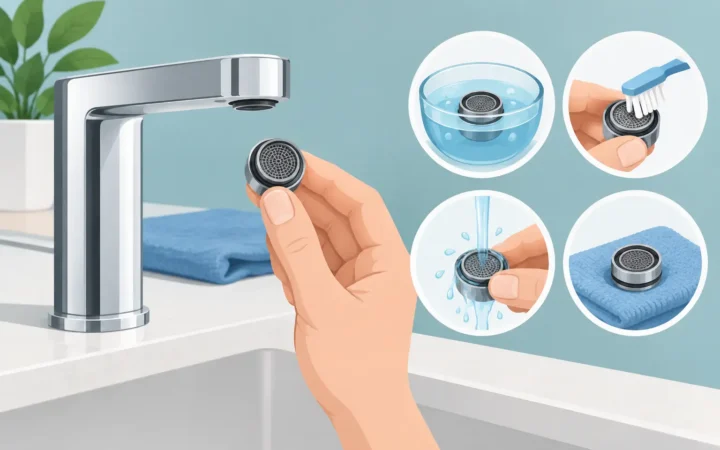
Once the new faucet is in place, a few simple habits can help keep it looking and working well. Wipe the finish with a soft cloth rather than abrasive pads or harsh cleaners. Mineral deposits are common in areas with hard water, and regular gentle cleaning helps prevent buildup around the aerator and spray head.
If water flow gradually becomes weaker, the aerator or spray head may need cleaning. Follow the manufacturer instructions for your specific model, especially with touch-activated or sensor-equipped fixtures. Check the cabinet below the sink occasionally for moisture, particularly during the first week after replacement and after moving stored items around the water lines.
A faucet replacement is a modest home project, but it affects a fixture your household uses many times a day. Choosing a compatible faucet, preparing the space, and expecting a proper final test can make the upgrade feel exactly as it should: simple, useful, and finished right.