A door knob that punched through the wall, a moving-day scrape, or a cluster of old picture-hanger holes can make an otherwise well-kept room feel unfinished. For homeowners looking for drywall repair Bedford TX, the goal is usually simple: restore the wall cleanly without turning a minor issue into a drawn-out home project.
Small drywall damage is common in lived-in homes, especially near hallways, bedrooms, stairways, and frequently used doors. The repair itself may be straightforward, but a result that blends in depends on preparation, patching, sanding, texture, and paint expectations. Knowing what to look for before scheduling service helps prevent surprises and makes it easier to choose the right approach.
When Minor Drywall Repair Makes Sense
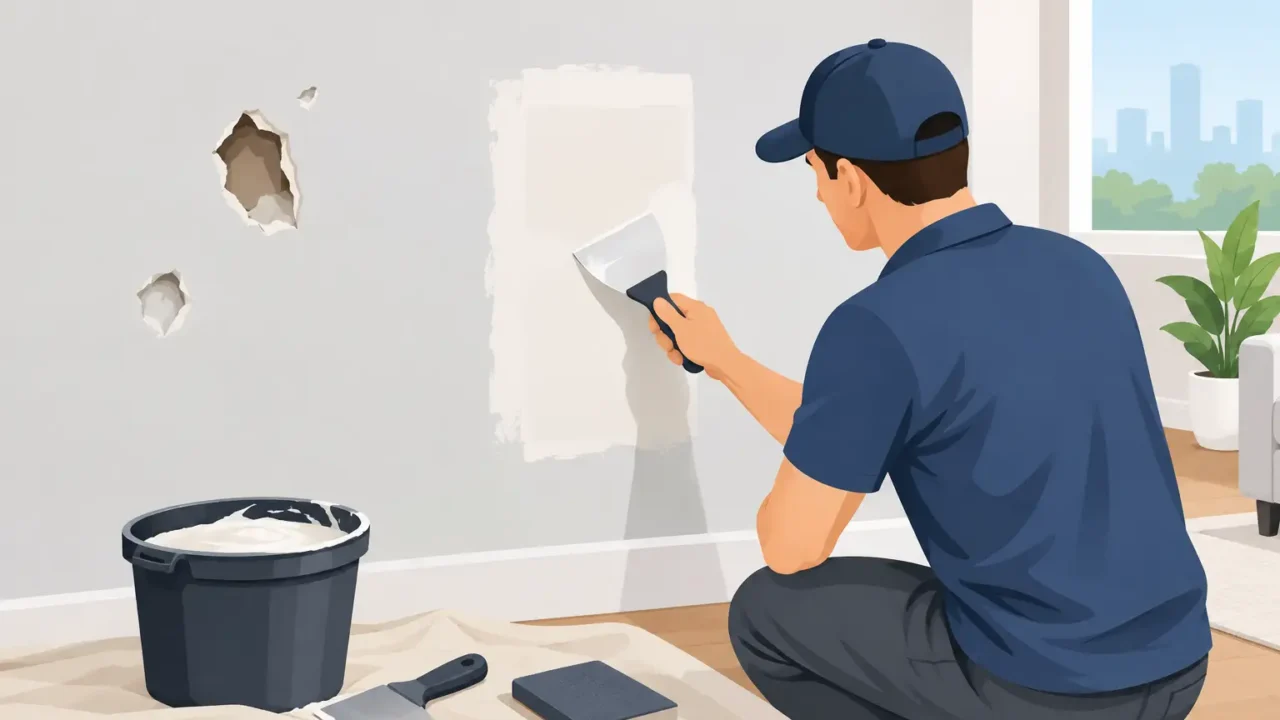
Minor drywall repair is often a practical solution for damage that is limited to one area and has not affected the wall framing or created a larger moisture concern. Typical examples include nail and screw holes, small dents, drywall anchor holes, scuffs that broke the paper surface, and modest holes left by a door handle or accidental impact.
These repairs are especially worthwhile before listing a home, welcoming guests, repainting a room, or simply finishing the small projects that have been sitting on a household to-do list. A clean wall creates a noticeably better impression, even when the damaged spot seemed small at first.
The size and condition of the damaged area matter. A few nail holes may only need filling and sanding. A larger hole may need a backing patch, joint compound applied in stages, and careful feathering into the surrounding wall. The more the repair has to blend into a visible wall surface, the more patience and workmanship matter.
What Can Affect a Drywall Repair in Bedford, TX
A wall patch is not only about covering the hole. The surrounding conditions influence the final appearance and the amount of work involved.
Texture and finish matching
Many homes have smooth walls, while others have orange peel, knockdown, or another sprayed or hand-applied texture. A patch can be structurally sound but still stand out if the repaired area does not reasonably match the wall around it. Texture matching takes a measured approach, particularly when the damage is in an open living area or a well-lit hallway.
Paint is another consideration. Even when the original color is known, paint on the wall may have faded or changed slightly over time. A homeowner may choose to touch up only the repaired area, but a full wall repaint can sometimes provide a more uniform result. It depends on the paint sheen, wall color, age of the existing paint, and how visible the location is.
Location of the damage
Damage behind a door, low on a wall, or near baseboards may be less noticeable after repair than a patch at eye level in a bright room. Repairs near corners, outlets, trim, or ceiling lines also require extra care because those edges naturally draw the eye.
If a wall was damaged where a television mount, shelf, or other item used to be, it is helpful to remove any remaining hardware before the appointment when possible. A clear work area allows the repair to be assessed accurately and completed more efficiently.
Signs of an underlying issue
Not every crack or stain is a simple drywall patch. A brownish stain, soft drywall, peeling paint, or recurring damage can indicate a moisture issue that should be addressed before cosmetic repair. Likewise, cracks that continue to widen or run through multiple surfaces may need further evaluation.
Repairing drywall before the cause is corrected can mean doing the same job twice. A professional minor repair appointment is best suited for stable, localized damage rather than active leaks, extensive water damage, or conditions that suggest a larger structural concern.
Why a Small Patch Can Take More Than One Step
Homeowners sometimes expect drywall repair to be a quick fill-and-paint task. For the smallest holes, that may be close to true. For many patches, however, joint compound needs time between applications so each layer can dry properly before sanding and finishing.
Rushing this process can leave a repair that shrinks, cracks, or shows a visible edge under paint. Careful feathering spreads the patch gradually beyond the damaged spot, which helps it transition into the existing wall. The goal is a flat, natural-looking surface rather than a raised circle around the former hole.
Drywall dust is another part of the process. Sanding is necessary for a smooth finish, but it should be handled with respect for the home. Protecting the immediate work area and cleaning up afterward are not extras. They are part of completing a minor repair professionally.
DIY Repair or Professional Help?
A homeowner with the right materials may be comfortable filling a few tiny nail holes before painting. This can be a reasonable do-it-yourself project when the holes are shallow, the wall is smooth, and the homeowner already plans to repaint the room.
Professional help is often the better choice when there is a larger hole, torn drywall paper, noticeable texture, multiple damaged spots, or a patch in a high-visibility area. It can also make sense when time is limited. Buying materials, applying several coats, waiting for drying time, sanding, cleaning dust, and correcting a patch that did not blend can take more effort than expected.
The trade-off is straightforward: DIY can save money on a very small repair, while professional service can save time and reduce the risk of a visible result. For busy Bedford homeowners, the value often comes from having the work completed carefully, the area left clean, and one more item crossed off the list.
Preparing for a Minor Drywall Repair Appointment
A little preparation makes the appointment smoother. Move furniture, décor, and breakable items away from the damaged area when possible. If the wall is behind a bed, desk, or television, creating a clear path gives the technician room to protect the space and work comfortably.
If you have leftover paint, set it aside and let the technician know what you have. The paint may be useful for a touch-up, although an exact match cannot always be guaranteed when paint has aged. It is also helpful to point out every damaged area at the beginning of the visit so the work can be reviewed together.
Photos are useful when requesting an estimate or scheduling, particularly for holes, cracks, or damage in textured walls. A clear image from a few feet away, along with one that shows the broader wall area, helps establish realistic expectations before the appointment.
What Dependable Service Should Look Like
For a minor repair, the process should not feel complicated. You should know what work is being considered, what the appointment includes, and whether the damage appears appropriate for a localized repair. Clear communication is particularly valuable when drying time, texture matching, or paint touch-up affects the final schedule.
Direct Home Pros approaches common household projects with digital estimates and approvals, convenient scheduling, careful worksite cleanup, and no upselling. That is a good fit for homeowners who need a professional to handle a defined repair without the uncertainty that often comes with trying to hire help for a smaller job.
A quality visit also includes a final look at the completed repair area. The repaired section should be smooth, reasonably blended with the surrounding wall, and free of leftover debris. If paint is part of the plan, expectations should be clear about whether the repair will receive a touch-up or whether the homeowner may want to repaint a larger section for the most consistent finish.
Keeping Walls in Better Shape After the Repair
Once the wall is repaired, a few simple habits can help prevent repeat damage. Door stops can protect walls from handles, especially in bedrooms and bathrooms. When hanging frames or lightweight décor, use hardware suited to the item rather than relying on an oversized anchor. For heavier items, correct mounting support matters more than patching the wall later.
It also helps to address small damage before it expands. A fresh dent or loose anchor is easier to repair than a hole that has been pulled wider over time. Keeping a short list of minor home tasks can make it easier to group projects into one productive service visit.
A repaired wall does not need to become a major renovation project. With realistic expectations, attention to the cause of the damage, and careful finishing, minor drywall repair can bring a room back to a clean, cared-for condition and let you get back to enjoying your home.