A buyer standing in your entryway will notice a loose light fixture, a stained ceiling spot, or a dripping faucet faster than you might expect. Those small details can make a home feel unfinished, even when the bigger features are in good shape. The best projects before home listing are usually not dramatic renovations. They are the practical repairs and updates that help buyers see a well-cared-for home from the first showing.
For Dallas-Fort Worth homeowners, the goal is not to make every room look brand new. It is to remove distractions, address obvious maintenance concerns, and spend wisely before the listing photos are taken. A clean, functional, and well-lit home gives buyers fewer reasons to wonder what else may need attention.
Start With What Buyers Can See and Test
Before choosing projects, walk through the home as if you were seeing it for the first time. Turn on lights, run faucets, check doors, look up at ceilings, and notice what stands out at eye level. Then ask your real estate agent which concerns are likely to affect your particular price range, neighborhood, and timeline.
A repair does not have to be expensive to matter. A wobbly ceiling fan or a garbage disposal that does not run can create doubt because buyers are already calculating moving costs, closing costs, and future repairs. Correcting small, visible problems helps your home feel move-in ready rather than like a collection of weekend tasks.
Prioritize work in this order: safety concerns first, functional issues second, highly visible cosmetic damage third, and optional upgrades last. That order protects your budget and keeps you focused when the pre-listing to-do list starts growing.
Best Projects Before Home Listing: Fix the Small Things
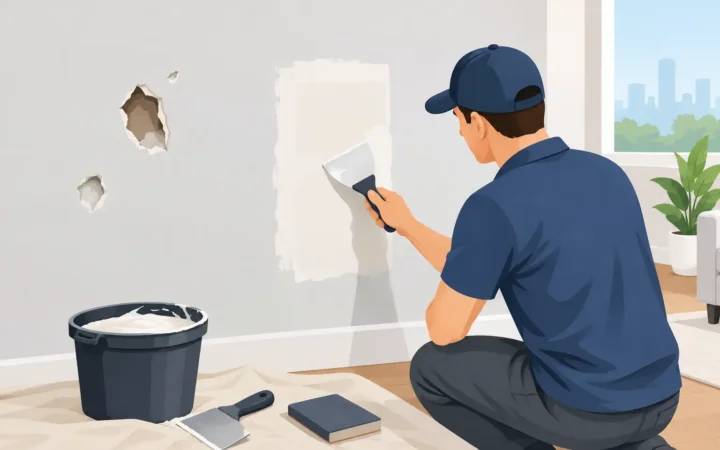
Minor drywall damage is one of the easiest issues for buyers to spot. Nail holes, dents near corners, and small wall repairs can show up clearly in listing photos and under bright showing lights. Repairing these areas before painting or touch-up work gives the room a cleaner, more finished appearance.
Lighting deserves the same attention. Replace burned-out bulbs with matching bulbs that provide clear, consistent light. If an outdated, damaged, or nonworking light fixture is holding back an entry, dining area, hallway, or bathroom, replacement can make a noticeable difference without taking on a full renovation. A professionally installed fixture should be secure, tested, and appropriate for the location.
Ceiling fans are also worth checking. A fan that wobbles, makes unusual noise, has broken pull chains, or does not operate properly can become a distraction during a showing. If a replacement makes sense, choose a simple style that fits the room rather than something highly personal. Keep the existing fan only if it is clean, stable, and working as it should.
In kitchens and bathrooms, a dripping or visibly worn faucet can make an otherwise clean space feel neglected. Replacing a faucet is often a sensible pre-listing project when the current one leaks, has corrosion, or no longer functions smoothly. The same applies to a garbage disposal that is unreliable or has stopped operating. Buyers may not expect a luxury kitchen, but they do expect the basic components to work.
Make the Exterior Feel Maintained
The exterior creates the first impression before a buyer sees a single room. You do not need a major landscaping project to improve curb appeal, but the property should look cared for from the street and the front walk.
Clear leaves, debris, and visible buildup from gutters when appropriate. In North Texas, clogged gutters can be especially noticeable after storms and can raise questions about drainage and exterior upkeep. Gutter cleaning is a practical maintenance task that supports a tidier appearance while helping water move where it should.
Also look for simple visible concerns around the entry. Remove cobwebs, clean the front door and porch light, and make sure exterior fixtures are secure and operational. If a fixture is faded, damaged, or nonworking, a straightforward replacement may be more effective than trying to hide it.
Do not confuse curb appeal with overimproving. A costly landscape redesign may not return its full cost if comparable homes nearby have modest yards. Fresh cleanup, working lights, and a welcoming entry are often the better use of time and money.
Choose Neutral, Useful Updates Over Personal Style
Pre-listing work should help the largest number of buyers picture themselves in the home. That is why practical updates usually outperform highly specific design choices.
For example, replacing a dated faucet with a clean, dependable model may be more useful than installing a bold statement fixture. Updating a damaged ceiling fan can be more valuable than adding an expensive specialty light that only suits one buyer’s taste. If you purchase new fixtures or hardware, select options that fit the home and are easy to live with.
This does not mean every home should look identical. A well-maintained historic home, contemporary townhome, or family home in Hurst, Euless, Bedford, Grapevine, Southlake, Keller, Arlington, Coppell, Irving, Grand Prairie, or Fort Worth can retain its character. The key is making sure the character feels intentional, not worn out or incomplete.
Know When to Repair and When to Leave It Alone
Not every imperfection needs attention before listing. Spending money on a project with little buyer impact can reduce your net proceeds without improving marketability. Your agent can help identify which updates matter in your neighborhood, while a qualified service professional can help determine whether a small issue can be addressed simply or needs a broader evaluation.
A good rule is to repair anything that is visibly damaged, clearly not working, or likely to come up during a buyer’s walkthrough. Consider leaving items alone when replacement would be purely cosmetic, very expensive, or unlikely to align with buyer preferences.
For instance, a functional but older light fixture may be acceptable if the room is otherwise clean and bright. A cracked fixture, exposed wiring concern, or light that does not work is different and should not be ignored. Likewise, a faucet with a dated finish may not need replacement, while one that leaks or has poor operation deserves attention.
Avoid temporary fixes that create bigger questions later. Covering water stains without understanding whether the source is resolved, installing a fixture without proper support, or patching drywall that continues to crack can make a buyer more cautious. If you are unsure about the cause of a problem, get the right evaluation before putting money into a cosmetic solution.
Build a Pre-Listing Plan Around Your Timeline
The best approach depends on how soon you plan to list. If photos are scheduled next week, focus on projects that improve function and appearance quickly: minor drywall repair, fixture replacement, faucet replacement, fan replacement, TV removal and wall repair where appropriate, and gutter cleaning. These tasks can make rooms and exterior areas look more orderly without disrupting your listing schedule.
If you have a month or more, start with a walkthrough and make decisions before purchasing any materials. Measure fixture locations, confirm what you want to keep, and avoid ordering items that may not fit the existing space or connections. Customer-supplied fixtures and equipment should be selected carefully so installation can proceed without last-minute surprises.
It can also help to group smaller tasks into one organized plan. Instead of calling different providers for one light, one faucet, and one drywall patch, homeowners often prefer a dependable local company that can complete approved small projects with clear expectations. Direct Home Pros provides straightforward home-service appointments, digital estimates and approvals, careful cleanup, and testing so homeowners can prepare their homes without added pressure or unnecessary upselling.
Do One Final Showing-Day Walkthrough
After projects are complete, walk through once more with fresh eyes. Turn on every light, test the ceiling fans, run the faucets, and confirm that repaired walls are clean and ready for photos. Check that old boxes, removed fixtures, and project debris are gone.
The goal is simple: buyers should spend their time noticing the home, not making a mental list of small repairs. A few well-chosen projects can communicate care, reduce distractions, and help you put your home on the market with greater confidence.