A faucet can look like a small part of the kitchen or bathroom, but it gets used constantly. When a handle sticks, water drips overnight, or the finish starts breaking down, it is time to identify faucet replacement needs before a minor annoyance turns into water damage, wasted water, or a frustrating daily routine.
For many homeowners, the decision is not as simple as “leaking means replace it.” Some issues can be resolved with a basic adjustment or a replaceable part. Others are signs that the faucet has reached the end of its useful life. Knowing the difference helps you make a practical choice and plan the project on your schedule.
How to Identify Faucet Replacement Needs
A faucet generally needs replacement when its problems are persistent, multiple components are wearing out, or its condition no longer matches the needs of the room. Age matters, but performance and visible condition usually tell the clearer story.
The drip keeps coming back
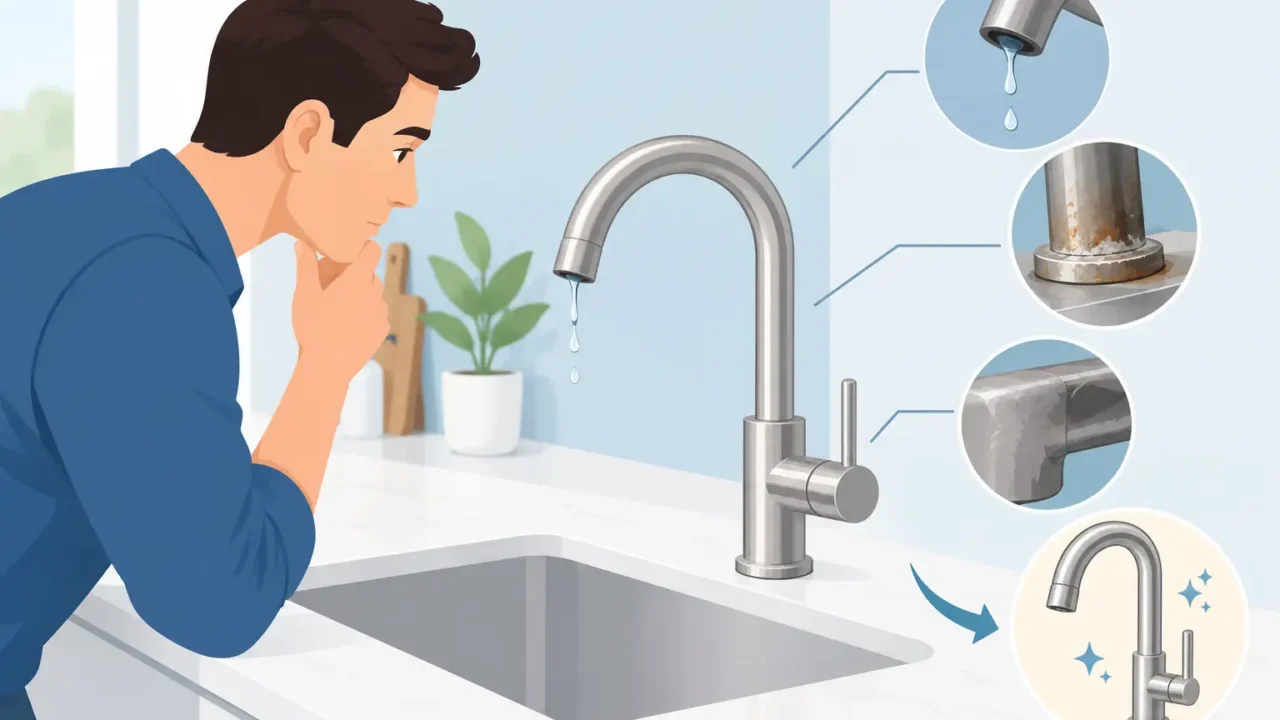
A slow drip is easy to ignore, especially when it only happens after you turn the handle off. But a faucet that continues dripping after repeated attempts to address the issue deserves a closer look. Internal seals, cartridges, valves, or other moving components can wear down over time.
One repair may make sense for a relatively new faucet in otherwise good condition. If the same drip returns, the handle feels loose, or you are seeing other issues at the same time, replacement can be the more dependable option. A new faucet gives you a fresh set of components instead of asking an aging fixture to keep working around several worn parts.
Water collects at the base of the faucet
Water around the base is different from a drip coming out of the spout. It may appear when the faucet is running, when the handle moves, or after using a pull-down sprayer. Wipe the area dry, use the faucet normally, and watch where the moisture returns.
Sometimes the issue is limited to a connection or a component that can be addressed. However, recurring moisture beneath or around the faucet should not be left alone. Water can affect the countertop opening, cabinet surface, and items stored below the sink. If the fixture is corroded, unstable, or leaking from more than one area, a replacement is often the sensible path.
The faucet is hard to operate
A faucet should turn on, adjust, and shut off without a struggle. Handles that require extra force, grind as they move, become unusually loose, or fail to control water temperature well are common signs of internal wear.
This is especially noticeable in busy kitchens and family bathrooms, where everyone uses the same fixture throughout the day. A stiff handle may start as an inconvenience, but it can worsen until the faucet is difficult to use or does not shut off properly. Replacing it before that point offers more control over timing and fixture selection.
Corrosion, peeling finish, or visible damage is spreading
A little water spotting on a faucet is normal. Pitting, greenish corrosion, peeling plating, cracks, or flaking finish are not just cosmetic concerns. They can indicate that the fixture is aging in a way that makes cleaning harder and future leaks more likely.
Look closely near the base, around the handles, under the spout, and at the sprayer hose connection if your faucet has one. These are areas where moisture can sit unnoticed. When deterioration is limited to the exterior and the faucet still works well, replacement may be a preference rather than an immediate need. When appearance issues come with drips, wobbling, or poor operation, the case for replacement is stronger.
The faucet wobbles or no longer feels secure
A faucet should stay firmly in place when you move the handle or use the sprayer. If the entire fixture shifts at the countertop or sink, do not assume it is only a minor annoyance. Continued movement can put stress on mounting hardware and supply connections.
In some cases, tightening the mounting hardware may solve the problem. But if the fixture has been loose for a long time, shows corrosion underneath, or cannot be secured reliably, a new faucet is often the better investment. This is also a good time to inspect the area under the sink for signs of moisture or damage.
Performance Problems That Point Toward Replacement
Not every performance issue means the faucet itself has failed. Low water pressure at one fixture, for example, may be caused by debris in the aerator. A spray pattern that is uneven or a spout that splashes may also have a simple explanation.
Still, several performance problems together can make replacement worthwhile. Pay attention if you notice inconsistent water flow, a sprayer that sticks or leaks, poor hot-and-cold temperature control, unusual noises, or a faucet that takes repeated adjustments to work as expected.
Kitchen faucets with pull-down or pull-out sprayers can be especially convenient, but their hoses, docking mechanisms, and spray heads add more moving parts. If those features no longer work reliably and the fixture is already older or worn, replacing the faucet may be more practical than chasing individual parts.
Consider the Faucet’s Age and Your Plans for the Room
Many faucets last for years with regular use, but a fixture’s condition matters more than a specific age. A well-maintained faucet may continue working properly for a long time. On the other hand, a lower-quality or heavily used fixture can develop problems sooner.
Replacement can also make sense when you are updating a room for your own comfort. Maybe you want a higher spout for large pots, a single-handle kitchen faucet that is easier to operate, or a bathroom fixture that better fits the sink and finish style. If you are already replacing a vanity, countertop, or sink, coordinating the faucet at the same time can prevent an awkward mismatch later.
There is a trade-off to consider. Replacing a faucet that is still functioning may be a style or convenience choice. Waiting until a faucet is actively failing can limit your options and add stress to the project. For most homeowners, the best time is when the current faucet is showing clear wear but before a small leak becomes a larger mess.
Check the Installation Details Before Buying a New Faucet
Choosing a faucet is not only about finish and style. Before purchasing a replacement, check the existing sink or countertop configuration. Count the mounting holes, measure the spacing when applicable, and consider whether the new faucet includes a deck plate to cover unused openings.
Also think about the practical fit. A tall kitchen faucet needs room below cabinets or windows. The spout reach should land water where you need it in the sink rather than splashing against the back edge. In a bathroom, the faucet should suit the basin size and leave comfortable clearance for washing hands.
Under the sink, take note of the available space. Deep storage drawers, water filtration equipment, or a garbage disposal can affect access and clearance. A few minutes of checking these details before ordering helps avoid delays on installation day.
When a Faucet Issue Calls for Faster Attention
Some signs should move the project higher on your list. Water inside the vanity or kitchen cabinet, a supply connection that is actively leaking, swelling cabinet materials, or a faucet that will not turn off properly should be addressed promptly. Shut off the water supply if you can do so safely, protect nearby items, and arrange the appropriate help for the issue.
For a planned fixture upgrade or a worn faucet that is ready to be replaced, Direct Home Pros provides straightforward faucet replacement for homeowners across the Dallas-Fort Worth area. Homeowners can supply the faucet they prefer, receive clear expectations before the appointment, and count on careful installation, testing, and worksite cleanup.
A Simple Way to Decide
If your faucet has one isolated issue, is relatively new, and still feels secure and operates smoothly, a limited repair may be worth considering. If it has recurring leaks, visible deterioration, stiff or loose controls, weak performance, and an outdated design, replacement is usually the more reliable choice.
A faucet should make ordinary routines easier, not add another item to your home-maintenance list. Planning a replacement while the problem is still manageable gives you time to choose the right fixture and have the work completed with less disruption to your home.