
Summer Home Maintenance Checklist for DFW Homeowners
Summer in the Dallas-Fort Worth area can bring triple-digit temperatures, heavy air-conditioning use, dry soil, sudden thunderstorms, and increased demands on nearly every part of your home.
A little preventive maintenance can help improve comfort, reduce energy waste, and catch smaller problems before they turn into expensive repairs.
Use this summer checklist to keep your home running smoothly during the hottest months of the year.
Replace or Inspect Your HVAC Filter
A dirty air filter can restrict airflow and make the HVAC system work harder to cool the home.
During the summer, filters may collect dust more quickly because the system runs longer and more frequently.
Check the filter regularly and replace it according to:
- The filter manufacturer’s recommendation
- Household size
- Pet ownership
- Allergies
- Construction or remodeling dust
- How often the system runs
Make sure the replacement filter is the correct size and is installed with the airflow arrow pointing in the proper direction.
A filter with a higher rating is not always better. An overly restrictive filter may reduce airflow if the HVAC system is not designed for it.
Make Sure Ceiling Fans Are Turning the Right Direction
During warmer months, most ceiling fans should rotate counterclockwise when viewed from below. This direction pushes air downward and creates a cooling breeze.
Ceiling fans do not actually lower the temperature of the room, but they can help people feel more comfortable and may allow the thermostat to be set slightly higher.
Turn fans off when rooms are unoccupied to avoid unnecessary electricity use.
Also check for:
- Wobbling
- Unusual noises
- Loose blades
- Missing screws
- Weak airflow
- Flickering lights
- Unresponsive remotes
A fan that shakes excessively or makes grinding noises should be inspected before continued use.
Check Your Thermostat Settings
Make sure the thermostat is operating properly and is not being affected by direct sunlight, lamps, appliances, or nearby air vents.
Programmable and smart thermostats can help adjust temperatures automatically based on your schedule.
Simple summer settings might include:
- A comfortable setting while you are home
- A slightly higher temperature while the house is empty
- A gradual cool-down before you return
- A higher setting overnight if ceiling fans provide enough comfort
Avoid making extreme thermostat changes in an attempt to cool the house faster. The system will generally cool at the same rate regardless of how low the thermostat is set.
Inspect Faucets, Toilets, and Visible Plumbing
Summer water use often increases because of irrigation, outdoor cleaning, gardening, and more people being home.
Take a few minutes to look for:
- Dripping faucets
- Running toilets
- Water beneath sinks
- Corroded supply lines
- Loose faucet handles
- Slow drains
- Water stains inside cabinets
- Leaking hose connections
Even a small leak can waste water and cause cabinet, flooring, or drywall damage over time.
Check the washing-machine and dishwasher supply lines as well. Bulging, cracking, corrosion, or moisture around a connection may indicate that attention is needed.
Test the Garbage Disposal
Warm temperatures can make food odors more noticeable, especially around kitchen drains and garbage disposals.
Run cold water while using the disposal and allow the water to continue briefly after grinding is complete.
Avoid putting items such as grease, fibrous vegetables, bones, large food scraps, and nonfood materials into the disposal.
Signs that a disposal may need service include:
- Frequent jams
- Humming without grinding
- Water leaking beneath the unit
- Unusual vibration
- Slow drainage
- Persistent odors
- A reset button that trips repeatedly
Never place your hand inside the disposal. Disconnect power before attempting any inspection near moving parts.
Inspect Exterior Doors and Weatherstripping
Hot outdoor air can enter through gaps around exterior doors, making the HVAC system work harder.
Check:
- Door sweeps
- Weatherstripping
- Thresholds
- Loose hinges
- Door alignment
- Gaps around the frame
- Damaged caulk
A door that does not close or latch properly may allow conditioned air to escape and insects to enter.
Replacing worn weatherstripping is often a small project that can improve comfort and energy efficiency.
Look for Gaps Around Windows
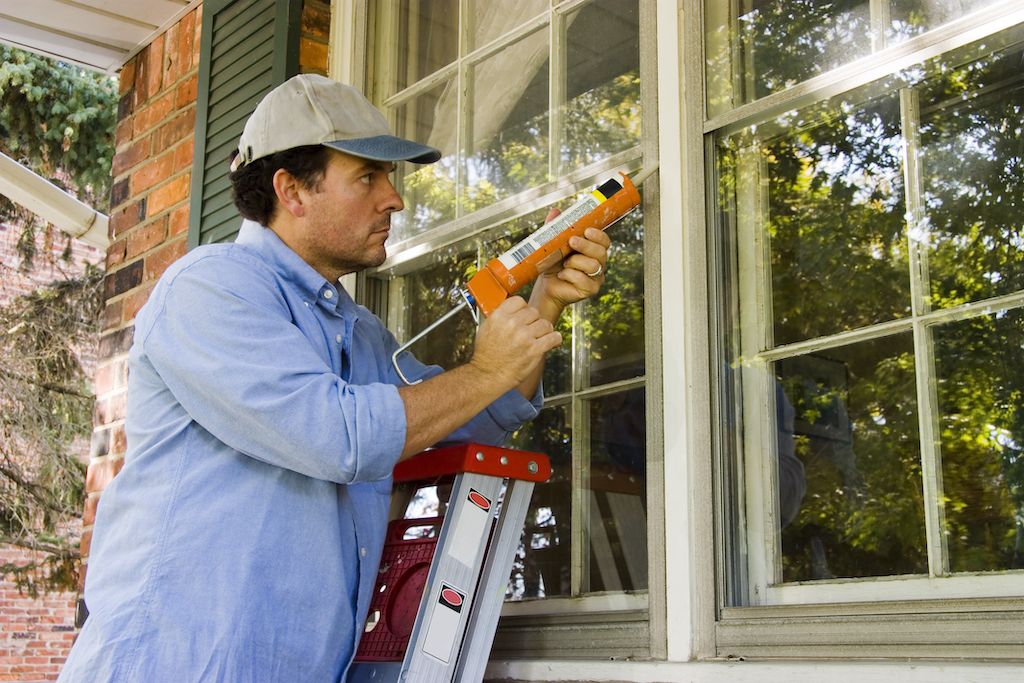
Inspect windows for cracked caulk, damaged seals, loose trim, and visible gaps.
Pay special attention to windows that receive strong afternoon sunlight.
Closing blinds or curtains during the hottest part of the day can reduce heat gain. Solar shades, curtains, or window films may also help in rooms that become unusually warm.
Condensation between glass panes may indicate a failed window seal, although the appropriate repair depends on the type and age of the window.
Clean and Check Ceiling Registers
Dust can collect around air-conditioning registers and return vents.
Use a vacuum or soft cloth to clean visible dust without pushing debris deeper into the ductwork.
Make sure furniture, rugs, curtains, or storage boxes are not blocking airflow.
Restricted vents can create uneven temperatures and reduce comfort in certain rooms.
Do not close large numbers of vents in unused rooms unless an HVAC professional has confirmed that the system is designed to operate that way.
Check Smoke and Carbon Monoxide Alarms
Test smoke and carbon monoxide alarms using the test button.
Replace batteries when needed and confirm that each alarm is within the manufacturer’s recommended service life.
Heat, humidity, dust, and insects can sometimes affect alarm performance.
Homes should have appropriate smoke-alarm coverage near sleeping areas and on each level. Carbon monoxide alarms are especially important in homes with fuel-burning appliances, attached garages, fireplaces, or gas equipment.
Follow the manufacturer’s placement and replacement instructions.
Inspect Outdoor Faucets and Hoses
Check exterior faucets, hose bibs, irrigation connections, and garden hoses for leaks.
Look for:
- Dripping connections
- Cracked hoses
- Loose fittings
- Water pooling near the foundation
- Damaged vacuum breakers
- Leaks inside the wall after the faucet is used
Disconnect hoses when they are not needed for extended periods, especially if a connection leaks.
Avoid allowing irrigation water to spray directly onto siding, doors, windows, electrical equipment, or the foundation.
Monitor Soil Around the Foundation
North Texas soil can expand and contract as moisture levels change. Extended dry periods may cause soil to pull away from the foundation.
Walk around the exterior and look for:
- Large gaps between the soil and foundation
- Areas of standing water
- Improper drainage
- Erosion
- Downspouts emptying next to the house
- New cracks in brick, drywall, or concrete
Foundation watering recommendations vary based on soil conditions, drainage, weather, and the home’s construction. Avoid overwatering or creating standing water.
A qualified foundation or drainage professional can evaluate significant movement or recurring concerns.
Trim Vegetation Away From the House
Summer growth can cause shrubs, vines, and tree limbs to contact siding, roofing, windows, and utility equipment.
Trim vegetation to maintain reasonable clearance around:
- Exterior walls
- Roof edges
- Air-conditioning equipment
- Utility meters
- Walkways
- Windows
- Fences
Do not block the outdoor HVAC unit with shrubs, storage, or debris. The unit needs sufficient airflow to operate properly.
Large tree limbs, high branches, and vegetation near power lines should be handled by qualified professionals.
Check Gutters and Downspouts
Summer thunderstorms can produce heavy rainfall in a short period of time.
Clean gutters and downspouts help direct water away from the roof, siding, and foundation.
Look for:
- Leaves and debris
- Sagging sections
- Loose fasteners
- Leaking seams
- Missing downspout extensions
- Water stains near the roofline
- Downspouts draining against the foundation
Never climb onto a roof or unstable ladder if conditions are unsafe. Hire a qualified professional when the work is beyond your comfort level.
Inspect the Roof From the Ground
You do not need to walk on the roof to look for obvious problems.
From the ground, check for:
- Missing or lifted shingles
- Damaged flashing
- Debris
- Sagging areas
- Loose gutters
- Tree limbs touching the roof
- Visible storm damage
After a strong storm, inspect the attic and ceilings for new water stains or signs of moisture.
Roof repairs and inspections should be completed by an appropriately qualified roofing professional.
Check Outdoor Lighting
Summer often means more time spent outside in the evening.
Test:
- Porch lights
- Patio fixtures
- Landscape lighting
- Motion lights
- Garage lights
- Walkway lighting
Replace burned-out bulbs and clean dirty lenses.
Outdoor fixtures should be properly rated for their location. Damp-rated fixtures are designed for protected areas, while wet-rated fixtures are intended for direct exposure to rain.
Prepare for Summer Storms
North Texas storms may bring high winds, lightning, hail, and power outages.
Keep basic supplies available, including:
- Flashlights
- Fresh batteries
- Phone power banks
- Bottled water
- First-aid supplies
- Weather alerts
- Important contact information
Secure outdoor furniture, decorations, umbrellas, tools, and loose items before severe weather.
Know where your electrical panel, water shutoff, and gas shutoff are located. Do not operate a gas shutoff unless you understand the proper procedure and have a legitimate reason to do so.
Create a Summer Project List
Walk through the home and create a list of smaller repairs or upgrades that would improve comfort and convenience.
Common summer projects include:
- Installing or replacing ceiling fans
- Updating light fixtures
- Replacing dripping faucets
- Mounting a television
- Installing door hardware
- Repairing small drywall damage
- Replacing a garbage disposal
- Updating outdoor lighting
- Completing minor landscaping work
- Adjusting loose cabinet hardware
Taking photos of each project can make it easier to request service and determine what materials may be needed.
Summer Home Services Across DFW
Direct Home Pros helps homeowners throughout the Dallas-Fort Worth area take care of seasonal projects, installations, and minor repairs.
Our services include ceiling fan installation, light fixture upgrades, faucet replacement, garbage disposal replacement, TV mounting, door hardware, landscaping projects, and general home repairs.
Visit thedirecthomepros.com, call or text 682-345-7255, or book online 24/7 to request service.