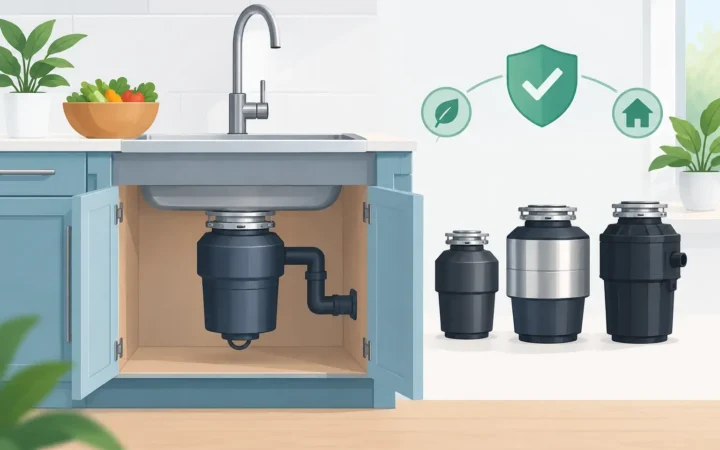
A garbage disposal usually gets attention only when the kitchen sink stops draining, the unit hums without turning, or an unpleasant odor will not go away. For many homeowners, the question is not whether garbage disposals are convenient. It is whether the current unit can keep doing its job or has reached the point where replacement is the more practical choice.
A disposal is a hardworking kitchen appliance, but it is not designed to process everything that reaches the sink. Understanding how it works, what causes common failures, and what to look for in a replacement can help you make a clear decision without wasting time or money on a unit that is already near the end of its life.
How Long Do Garbage Disposals Last?
Most garbage disposals last roughly 8 to 12 years, although lifespan depends heavily on how the unit is used, the quality of the original installation, and the condition of the kitchen plumbing. A lightly used disposal in a household that treats it carefully may last longer. A unit that regularly handles tough food waste, or one exposed to frequent leaks and standing water, may fail sooner.
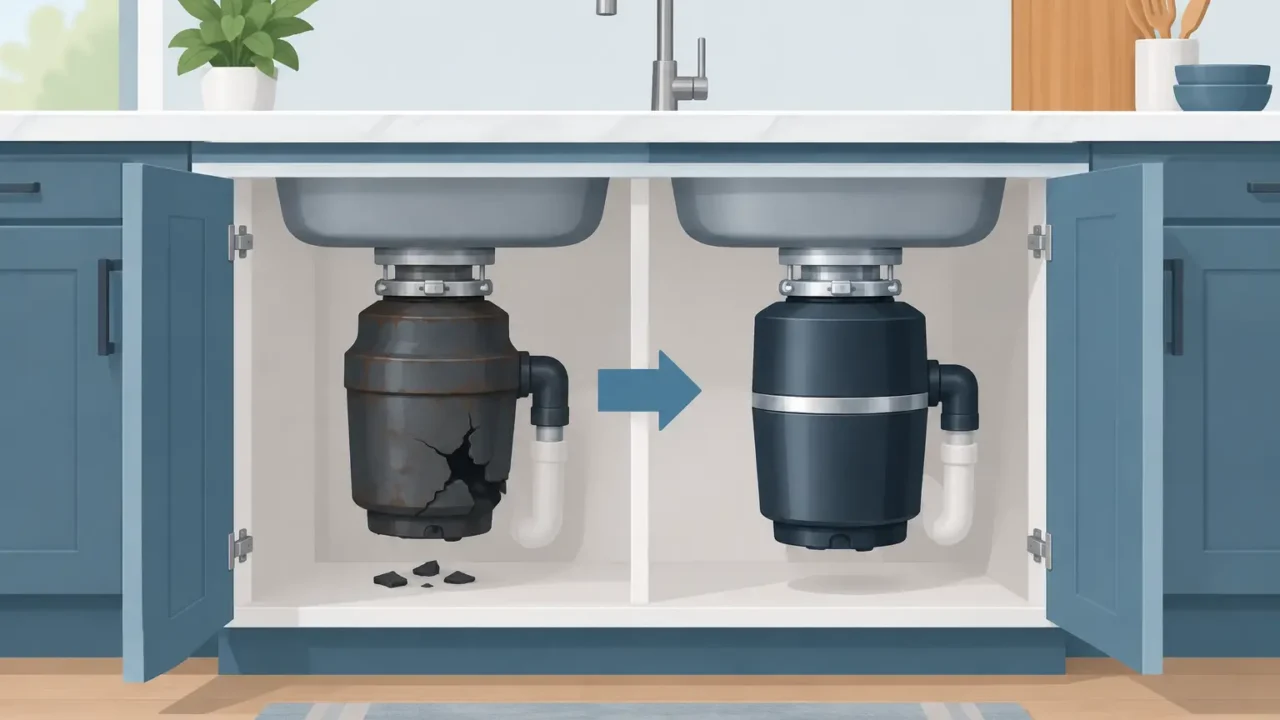
Age alone does not always require replacement. A newer unit can have a temporary jam or trip its reset button. On the other hand, an older disposal that has started leaking, making loud grinding noises, or losing power may not be worth the effort and expense of repeated troubleshooting.
For homeowners in the Dallas-Fort Worth area, hard water can also contribute to mineral buildup around plumbing connections over time. That does not automatically mean the disposal itself has failed, but it is one more reason to inspect the entire under-sink area when a replacement is being considered.
Signs Your Garbage Disposal May Need Replacement
Some disposal problems have straightforward causes, such as a tripped reset button or an object lodged inside the grinding chamber. Before looking underneath the sink, always turn off power to the disposal at the breaker. Never put your hand into the unit, even when it appears to be off.
If the issue keeps returning or the disposal has visible damage, replacement is often the better path. Watch for these signs:
- Water is leaking from the bottom of the disposal body, not just from a loose connection above it.
- The motor hums but the grinding plate does not turn, even after a safe attempt to clear a minor jam.
- The unit needs frequent resets or trips the breaker during normal use.
- Grinding has become unusually loud, metallic, or inconsistent.
- The disposal drains slowly despite normal sink and drain maintenance.
- The unit has reached the typical end of its service life and is developing more than one issue.
A leak from the bottom of the disposal is especially meaningful. Seals inside the unit can wear out, and replacing the appliance is generally more sensible than trying to extend its life. By contrast, a leak from a drainpipe connection, dishwasher connection, or sink flange may have a different cause. The location of the leak matters.
What a Garbage Disposal Is Designed to Handle
A disposal breaks down small, soft food scraps so they can move through the plumbing with plenty of cold water. It is not a substitute for scraping plates into the trash or compost bin. Using it within its limits helps reduce jams, odors, and unnecessary wear.
Small leftovers, soft fruits and vegetables, and minor food residue are generally manageable. Fibrous materials such as celery stalks, corn husks, onion skins, and artichoke leaves are a different story. Their stringy fibers can wrap around internal components or collect in the drain line.
Grease, oil, and fats should stay out of both the disposal and the sink drain. They may go down as liquids, but they can cool and solidify farther into the plumbing. Coffee grounds, eggshells, pasta, rice, bones, and large amounts of potato peelings can also create trouble. A disposal may grind some of these materials, but that does not mean they will travel cleanly through every household drain system.
When in doubt, use the trash. That simple habit can add years to the life of the unit and help protect the plumbing beyond it.
Choosing the Right Replacement Unit
Replacement is not just about buying the most powerful disposal available. The right unit depends on household size, cooking habits, available cabinet space, and compatibility with the existing sink and plumbing setup.
Horsepower is one of the first choices. A 1/3-horsepower model may work for a small household with light use, but it is typically less forgiving when food waste is tougher or the unit is used frequently. A 1/2-horsepower disposal is a common choice for many homes. Larger households or homeowners who cook often may prefer a 3/4-horsepower or 1-horsepower unit for stronger grinding performance and less likelihood of jams.
Size matters, too. More powerful units are often larger, which can reduce storage room beneath the sink or create clearance issues around pipes, water filtration equipment, or other fixtures. Before purchasing a disposal, check the available space and compare the new unit’s dimensions with the existing setup.
Another consideration is the electrical connection. Some disposals are designed to connect with a power cord, while others are hardwired. The replacement unit should be compatible with the existing arrangement, or the installation needs to account for the difference. If a dishwasher drains through the disposal, the new model also needs the appropriate dishwasher connection.
Noise is worth considering, especially in open-concept homes where the kitchen is near living or dining areas. Basic units can be noticeably loud. Better-insulated models cost more but may be worthwhile for homeowners who want a quieter kitchen.
What to Expect During a Replacement
A professional garbage disposal replacement should be a focused home project, not an all-day disruption. The work generally includes removing the old unit, installing the homeowner-supplied replacement disposal, reconnecting the drain and dishwasher line when applicable, and testing the unit for proper operation and leaks.
The area beneath the sink should be cleared before the appointment. Removing cleaners, bins, organizers, and stored items gives the installer room to work and makes it easier to spot existing moisture or pipe concerns. It is also helpful to have the new disposal on site, along with any manufacturer-provided parts and instructions.
After installation, testing matters. The disposal should run properly, the sink should drain as expected, and the connections should be checked for leaks. A clean work area is part of a job completed correctly, especially in a space homeowners use every day.
If the old disposal is connected to damaged plumbing, has an unusual mounting arrangement, or reveals a broader drain issue, the scope may change. That is not a reason to assume the worst. It simply means the replacement should be evaluated based on the actual condition under the sink rather than a guess made before the old unit is removed.
Simple Habits That Help a New Unit Last
Run cold water before turning on the disposal, keep it running while adding small amounts of food waste, and allow water to continue for several seconds after the grinding stops. Cold water helps keep oils and fats more solid so they are less likely to coat the drain line.
Use the disposal regularly, but do not overload it. A long period without use can allow internal parts to stiffen, while pushing too much material through at once creates strain. Avoid harsh chemical drain cleaners unless the product instructions specifically allow use with disposals and your plumbing system. These products can be tough on seals, metal components, and pipes.
For routine freshening, use plenty of water and a small amount of mild dish soap while the unit runs. Citrus peels may leave a fresh scent, but they are not a solution for a persistent odor or drainage problem. If odors return quickly, food residue may be trapped in the splash guard, disposal chamber, or nearby drain connections.
A garbage disposal should make kitchen cleanup easier, not become another recurring household problem. When an aging unit leaks, jams repeatedly, or no longer performs reliably, a properly selected replacement can restore a dependable kitchen routine. Direct Home Pros provides straightforward garbage disposal replacement for homeowners who want clear expectations, careful installation, testing, and respect for their home.